Services Overview
Non-Metal fillings
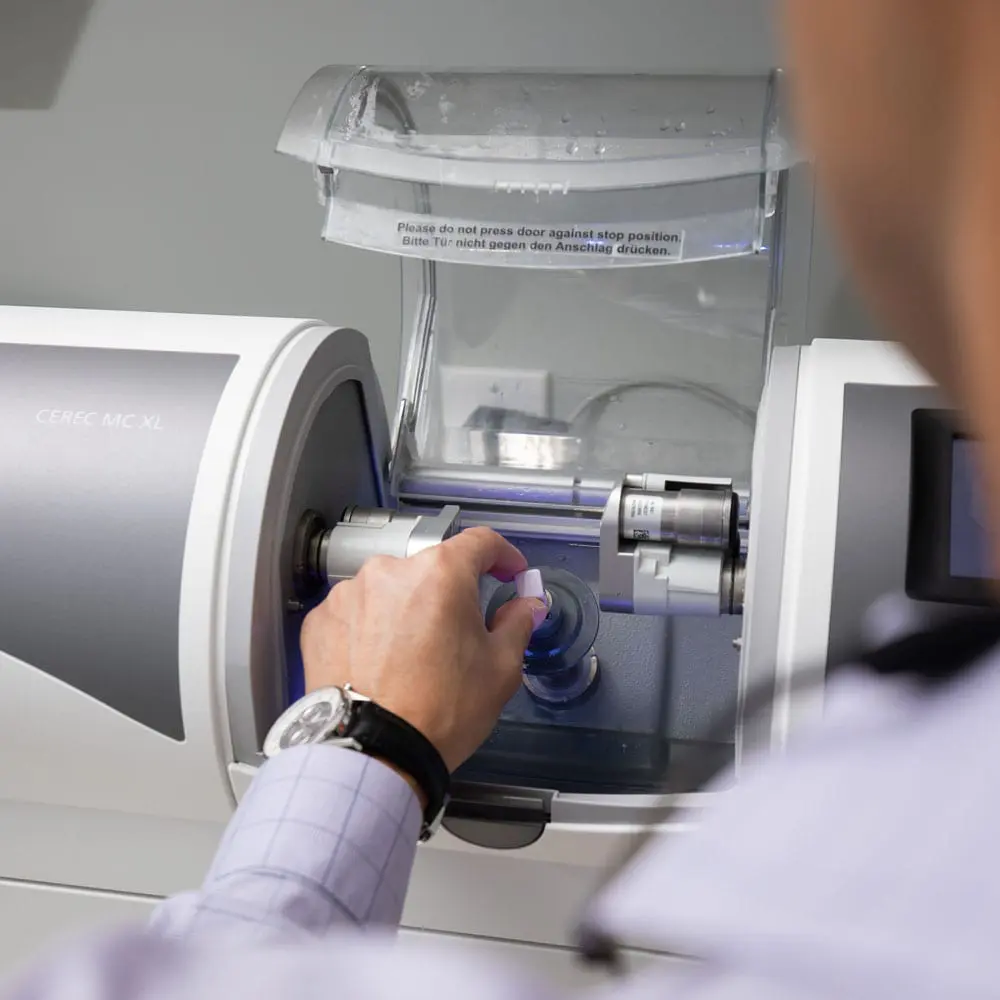
Until recently, dental patients have been told that repairing teeth with white fillings was just for cosmetic purposes, and white fillings may not be as durable as the metal restorations. This philosphy is now outdated. With the modern technologies of dental adhesion, resins, laser, and state-of-art ceramics, the new porcelain restorations are close to rivaling nature in strength, wear, function, and apperance. There are now sixteen-year studies showing that with properly administred technique, these advanced restorations surpass traditional dentistry. With these new materials, it is possible to bond teeth back together virtually restoring them back to their virgin strength without the invasiveness of full-coverage crowns.

Veneers
What are Porcelain Veneers?
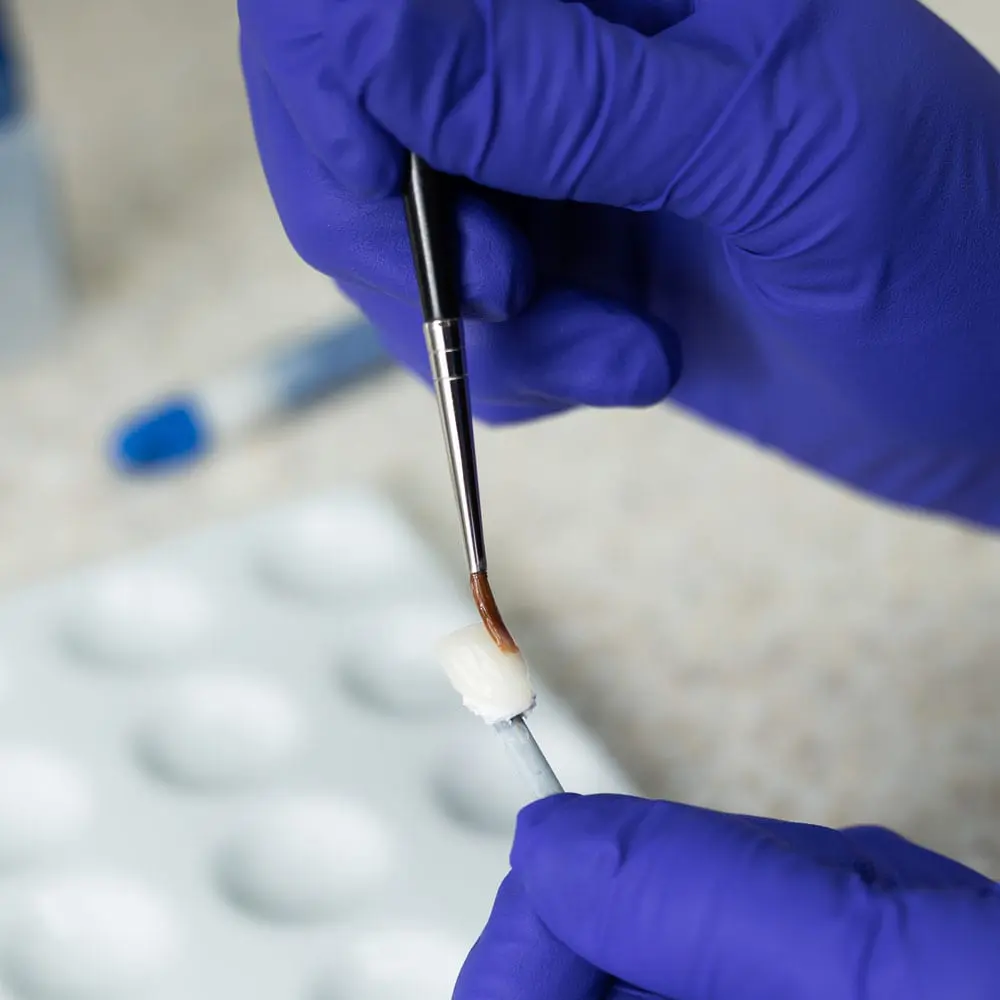
Veneers are a thin, semi-translucent laminant permanently bonded to your teeth. While they're not suitable for every patient, veneers are the most aesthetic alternative for a variety of dental conditions involving the front teeth, including:
*
Diastemas (spaces between teeth)
*
Broken or chipped teeth
*
Unsightly, stained or washed out fillings
*
Permanently stained or discolored teeth that can't be bleached
*
Crooked teeth
Advantages and Benefits of Veneers
There are many benefits and advantages to having porcelain veneers placed on your front teeth:
*
The procedure takes only two appointments
*
A conservative amount of tooth structure is removed during the procedure
*
Veneers are the most biocompatible material you can use next to the gingiva (part of the gum tissue that immediately surrounds the teeth and alveolar bone)
*
A healthy "natural" look is achieved; in fact, porcelain veneers are the most aesthetic restoration in dentistry
How are Veneers different from Bonding or Crowns?
Bonding is a resin filling material that was used for several years to cover the front surface of teeth. Today, we generally use bonding only to fill in small surfaces or cavities and repair chips in teeth. A full crown is when a tooth has had root canal treatment, or when a substantial amount of the entire tooth structure (enamel) has been lost.
How are Porcelain Veneers done?
At the first appointment the teeth are prepared for the veneers and an impression is taken. This impression is then sent to a lab where each porcelain veneer is custom made to the dentist's specifications and beautiful temporaries are fabricated to simulate your new smile so you can expect to leave the first appointment looking better than when you came in. At the second appointment the veneers are permanently adhered to the natural teeth.
What to Expect
Veneers can last indefinitely, depending on how well they are taken care of by the patient. Because veneers are stronger than simple bonding, they are also more resistant to stains and chipping. You must maintain regular oral hygiene at home, and visit us for routine cleanings and exams. This is to ensure that your new veneers will look as good as new. Another important point is that oral habits that damage natural teeth such as nail biting, opening bobby pins, and chewing on hard objects can also damage your new veneers. Once veneers are applied, just treat them like natural teeth. They look great and are extremely durable.
Bridges
A bridge is a custom device anchored to neighboring teeth that replaces one or more missing teeth. When a lost tooth is replaced with bridgework, the teeth on either side of the missing one are prepared as crowns to serve as abutments to hold the prosthetic (replacement) tooth in place. Crowns and bridges are most commonly prepared from high quality materials such as semiprecious or precious metals, porcelain, or a fused combination of the two. Aesthetics, function, and tissue compatibility are considered when selecting the material most suitable for you.
Is a Bridge Right For Me?
In cases where teeth are missing, a bridge prevents the remaining natural teeth from shifting so that dental health and facial aesthetics are not compromised. Bridges may also provide a permanent, non-removable alternative to removable partial or full dentures. Whether supported by natural teeth or implants, bridges can offer life-like aesthetics and stable chewing surfaces. The can be easily maintained by brushing and flossing.
What Happens At The First Appointment?
With both crowns and bridges, Dr. Ahmad needs to shape the teeth to provide stable support and precise fit of the final restoration. Following tooth preparation, impressions are taken of the teeth, and a replica of your mouth is created for the dental laboratory to make the restoration. You and Dr. Ahmad with carefully discuss the color, shape, and size of the crown(s) or bridge(s). A temporary restoration is secured to protect the prepared teeth and maintain the precise space left by the tooth until the new restoration is fabricated. If an implant-supported crown or bridges is the best option, Dr. Ahmad will evaluate the patient's health and suitability for the implant placement.
What Happens At the Next Appointment?
When the crown or bridge is fabricated, Dr. Ahmad removes the patient's temporary restoration, and tries on the crown or bridges to verify fit and patient approval. Once the restoration is adjusted and approved, Dr. Ahmad uses a luting cement or an adhesive bonding agent to permanently secure the final restoration.
Standard & Mini Implants
Implant Dentistry
Dental implants enable dentists to create healthy, attractive smiles in an innovative way. Used to replace one or more missing teeth, implants are another alternative to conventional bridges and dentures. In essence, dental implants act and look like natural teeth. And, because they maintain bone mass, dental implants can help prevent additional tooth loss as well as the sunken facial appearance associated with missing teeth. A dental implant restoration consists of a bio-compatible titanium screw and post topped by a crown bridge or denture.
The implant is surgically replaced into the jawbone where it replaces the natural tooth root. In a few months, the implant securely attaches to the bone (called "osseointegration"), allowing it to withstand biting and chewing forces just like a healthy, natural tooth.
Are Dental Implants Right For Me?
The most common indications for implant therapy are:
Replacement of one or more missing teeth.
Support of a non-removable "bridge" to replace multiple teeth.
Support of a removable full or partial denture
Patients who successfully pass a screening and evaluation can be considered as candidates for implant replacement.
The primary limiting factor inherent in implant therapy is the amount of bone available to receive and support the implant. If it's determined that a patient does not have enough bone to support an implant restoration, bone grafting procedures may be considered. Heavy smoking and some medical conditions may preclude the use of implant therapy.
What Happens At The First Appointment?
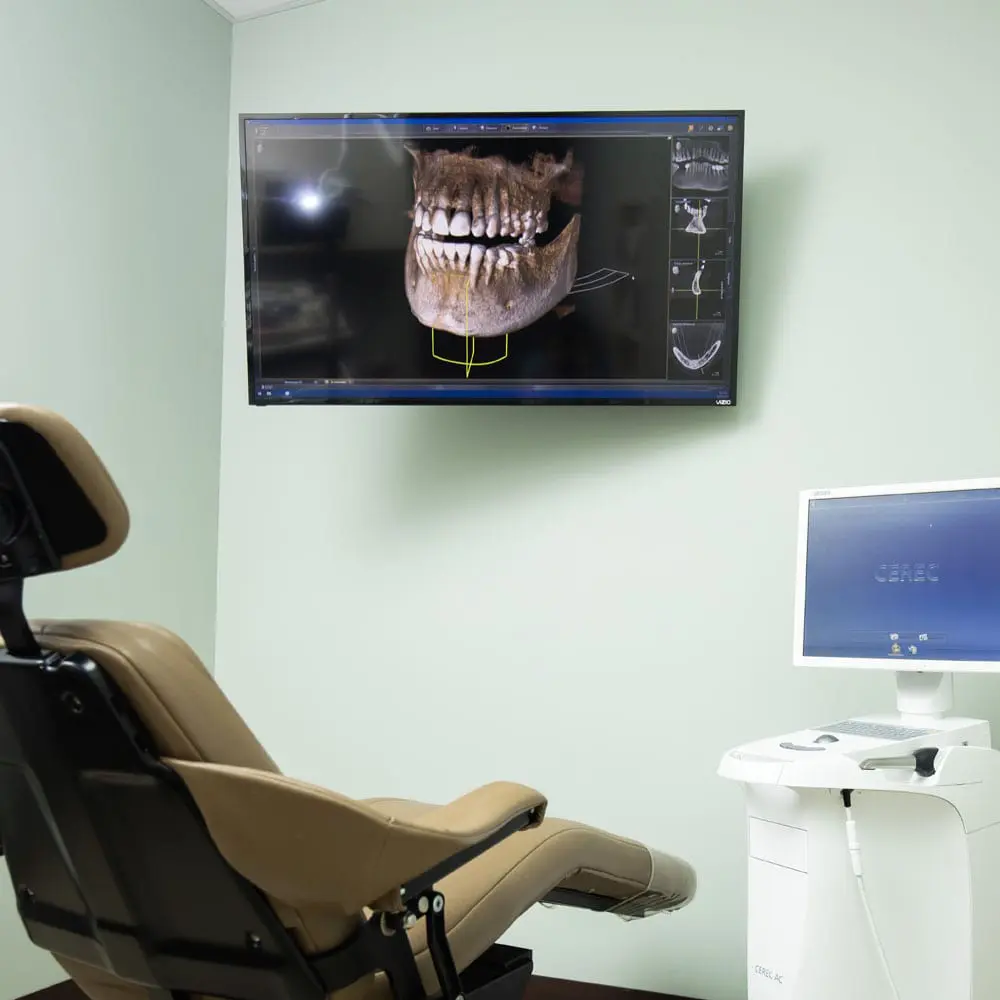
To determine the appropriate site for the implant replacement, dentists typically take x-rays. Some may prescribe CT scans as well. Impressions are taken of the mouth and then used by the dental laboratory to create a customized restoration. Many dentists fabricate surgical guides to simplify the placement of implants.
What Happens At The Second Appointment?
At the second surgical appointment, the dentist makes an incision to expose the bone at the implant site. The dentist then prepares the site to receive the implant. Once the implant is secured, the gum tissue is sutured back over the implant.
The implant is left undisturbed for three to six months to allow it to osseointegrate with the bone. If the implant is in a visible area of the mouth, the patient may choose to wear a temporary prosthesis during the healing period. Dentures may be relined with soft liners to allow patients to comfortably wear them during the healing process.
What Happens At Subsequent appointments?
Once the implant has been completely integrated with the bone, a post is attached to the implant. The dentist then creates the permanent tooth replacement.
Dr. Ahmad places and restores Nobel Biocare implants.
MINI IMPLANTS Are you unable to eat what you want? Do your dentures shift and tilt? Are you tired of messy denture adhesives? Do you have trouble speaking clearly? If you answered yes to any of these questions, Mini Implants may be your solution ! Mini Implants are a type of implant that have a very small diameter. How are Mini Implants placed? Placement of the implants is accomplished quickly and easily in our office, with local anesthesia to help make you more comfortable. Using a precise, controlled, minimally invasive surgical technique, the implants are placed into the jawbone. The head of the implant protrude from the gum tissue to provide a strong, solid foundation for securing your dentures and/or crown work. It is a one-step procedure that involves minimally invasive surgery, no sutures nor the typical months of healing- All at half the price of a standard implant !
Teeth Whitening Tooth whitening or bleaching is one of the most popular areas of cosmetic dentistry. Even subtle changes in shading can make someone look years younger. Several factors can contribute to darkening of teeth, including effects of aging, food and drinks, smoking and medications.
Dentistry at Lake Nona offers two different bleaching options:
Zoom and Nite white
Tooth whitening or bleaching is one of the most popular areas of cosmetic dentistry. Even subtle changes in shading can make someone look years younger. Several factors can contribute to darkening of teeth, including effects of aging, food and drinks, smoking and medications. Dentistry at Lake Nona offers two different bleaching options: Zoom